
How to store coffee beans for freshness
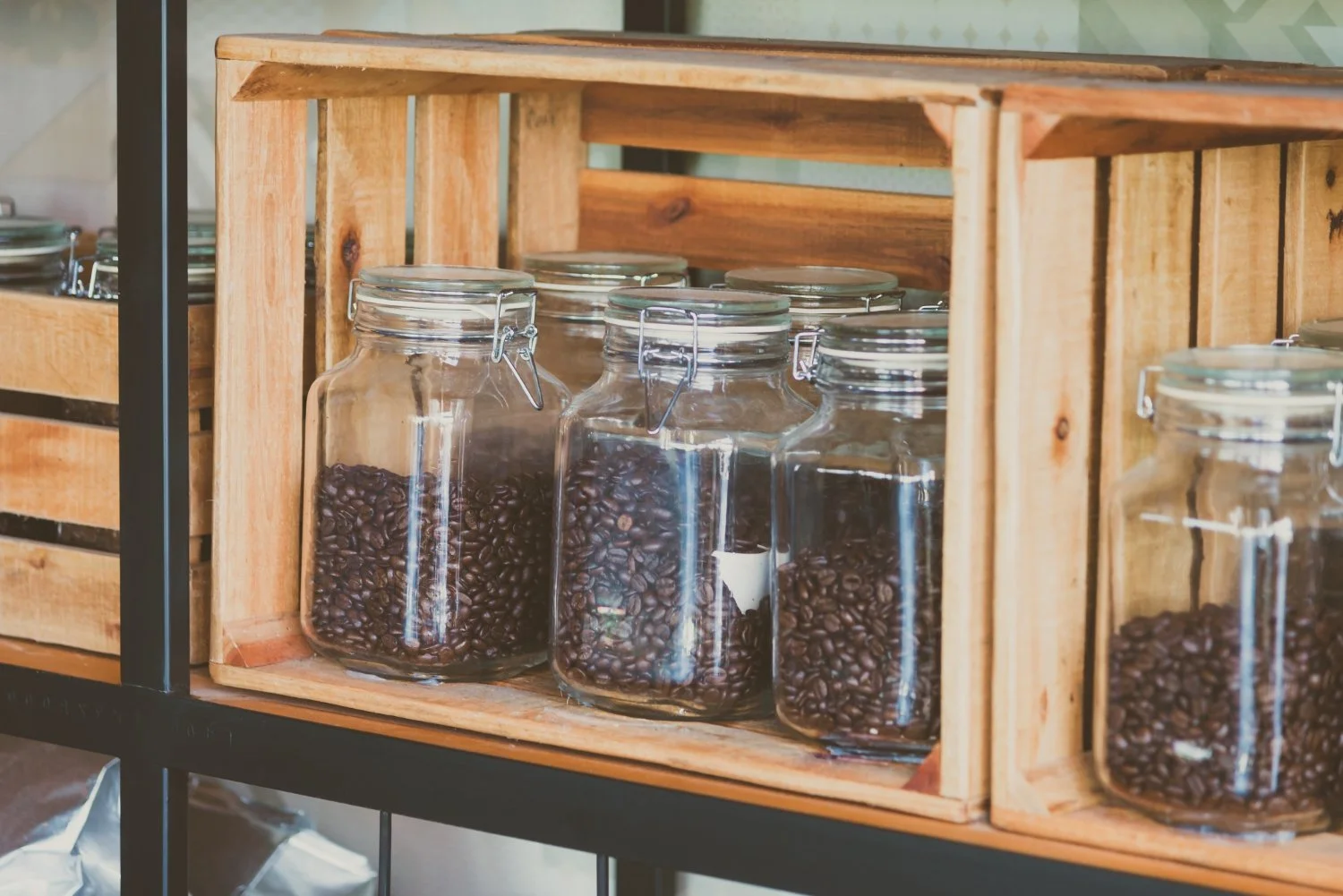
Freshly roasted coffee is a joy, but even the best beans lose flavor if stored incorrectly. Whole beans start to degrade the moment they’re exposed to air, moisture, light, or heat. With a few simple practices, you can preserve their aroma, oils, and taste — ensuring every cup is as rich and flavorful as intended.
At Shepherd’s Crook Coffee, we roast each batch with care, and we want your coffee to taste just as vibrant at home. These storage tips are easy to follow and make a noticeable difference in every pour-over, Chemex, or drip brew.
Why proper storage matters
Coffee beans are full of natural oils and aromatic compounds that make each cup special. When beans are exposed to:
Oxygen → they oxidize, causing staleness
Moisture → can lead to off-flavors or mold
Light → breaks down delicate compounds
Heat → speeds up flavor degradation
… the result is a flat, dull cup. Proper storage slows this process and keeps your coffee tasting fresh for weeks.
Best containers for coffee beans
Use containers that protect beans from air, moisture, and light:
Airtight containers: Keeps oxygen out and preserves aroma
Opaque jars: Blocks light that can degrade beans
Glass, ceramic, or stainless steel: Avoid thin plastics that may leach odors
If your coffee came in a resealable bag, it’s fine for short-term storage, but transferring to a proper container is best for longer freshness.
Ideal storage locations
Cool, dark spots: Pantry or cupboard away from heat sources
Avoid the fridge: Condensation can damage beans and alter flavor
Freezer caution: Only recommended for long-term storage; always use an airtight container and thaw before grinding
The goal is minimal temperature swings and no exposure to light or moisture.
Tips for buying and using beans
Buy in small batches: Fresh beans are best within 2–3 weeks of roasting
Measure accurately: Use only what you need for immediate brewing
Rotate stock: Use older beans first to avoid staleness
By buying manageable quantities and following these tips, you’ll always have coffee at peak flavor.
Simple daily habits for freshness
Grind beans just before brewing
Reseal the bag or container immediately after use
Keep beans away from heat sources like stoves or ovens
Avoid storing near the sink or other damp areas
Even small daily actions can make a big difference in your cup.
Faith and care in every cup
Storing coffee properly is more than a practical step — it’s a small act of stewardship. By caring for the beans, you honor the work of the farmers, roasters, and the Lord’s provision, making every sip a moment of appreciation for quality and creation.
Ready to experience fresh coffee at home?
Explore our freshly roasted whole beans and taste the difference that proper storage and quality roasting make.